


No products in the cart.


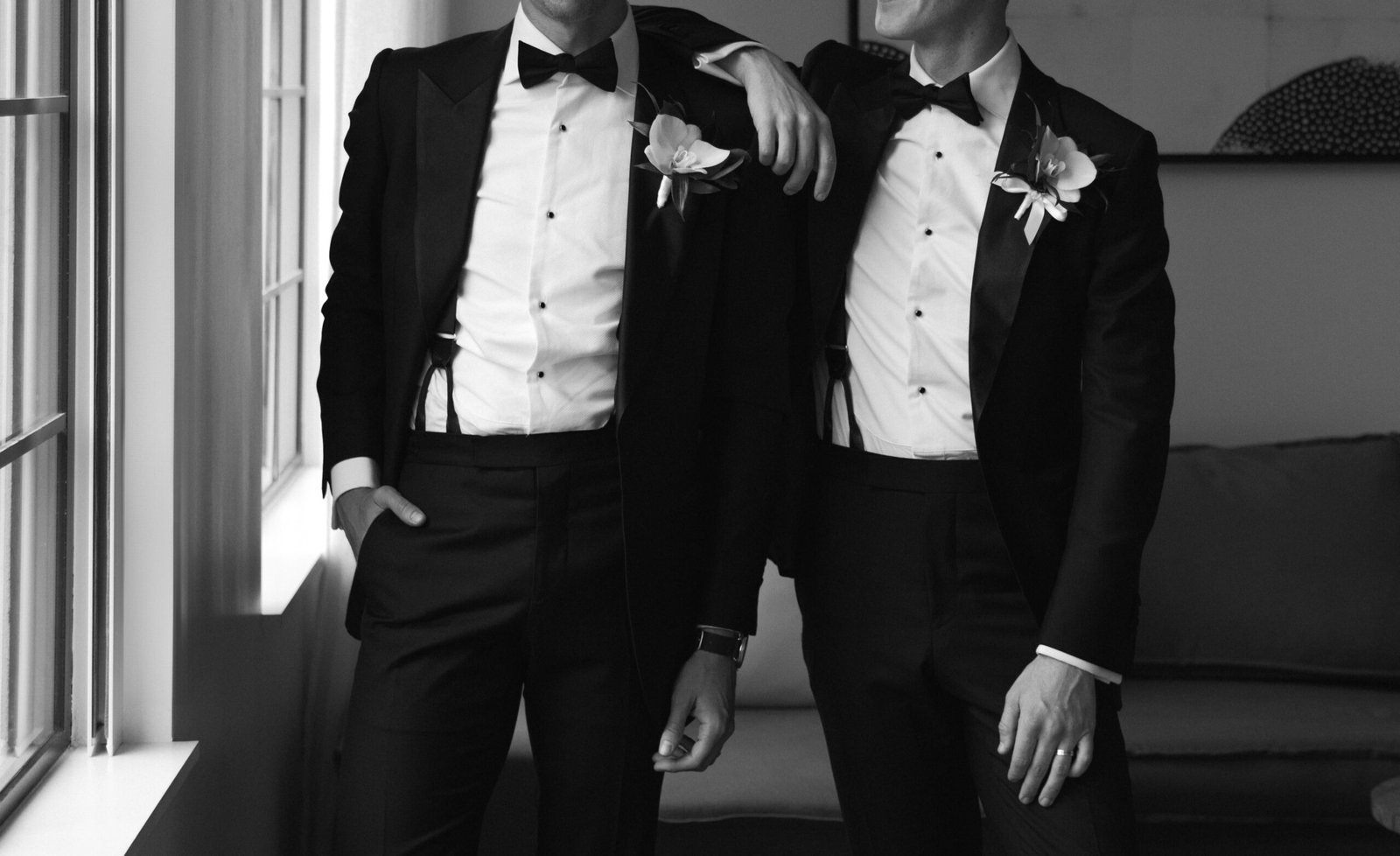
Choosing the right wedding suit is an integral part of the wedding planning process. It is essential to understand and align your suit choice with the overall wedding theme to create a coherent look for the big day. Various wedding themes such as traditional, modern, or rustic significantly influence the style, color, and fabric of your suit. Each theme presents a unique atmosphere that dictates what would be most suitable to wear.
For instance, if the wedding has a traditional theme, classic styles such as a three-piece suit in muted tones like black, navy, or grey are often favored. These colors set a formal tone and resonate with the timeless elegance associated with traditional ceremonies. On the contrary, modern weddings may allow for more daring choices, including tailored suits in brighter colors or contemporary designs, which add a fresh twist to the event.
Rustic themed weddings, characterized by their outdoor settings and natural elements, often embrace lighter colors and more relaxed styles. Fabrics such as linen or cotton in soft earth tones can complement the rustic aesthetic beautifully. It is crucial to consider these factors as they contribute to the overall visual narrative of your wedding.
Moreover, it is essential to consult with your partner and wedding planner during this selection process. They can provide valuable insights on what complements the overall decor and color palette you have chosen for your wedding. Ensuring that your wedding suit aligns with the theme creates harmony and enhances the overall ambiance, resulting in a memorable occasion for you and your guests.
When selecting a wedding suit, one of the most crucial elements to consider is the fabric. The type of fabric you choose can significantly impact not only the suit’s appearance but also your overall comfort during the event. Several common fabric options are available, each offering unique characteristics that cater to various styles and preferences.
Wool is perhaps the most popular choice for wedding suits due to its versatility and elegance. It is available in various weights, making it suitable for different seasons and climates. Wool’s natural breathability and moisture-wicking properties help regulate body temperature, ensuring comfort throughout the day. Additionally, its inherent structure provides a polished look, making it ideal for more formal weddings.
Linen, on the other hand, is a lightweight and breathable option, perfect for outdoor or summer weddings. Known for its relaxed and casual feel, linen offers a laid-back elegance. However, it does wrinkle easily, which may not suit those looking for a more structured appearance. Cotton is another alternative that strikes a balance between breathability and comfort. It typically offers a softer texture and a more casual vibe, making it suitable for less formal ceremonies.
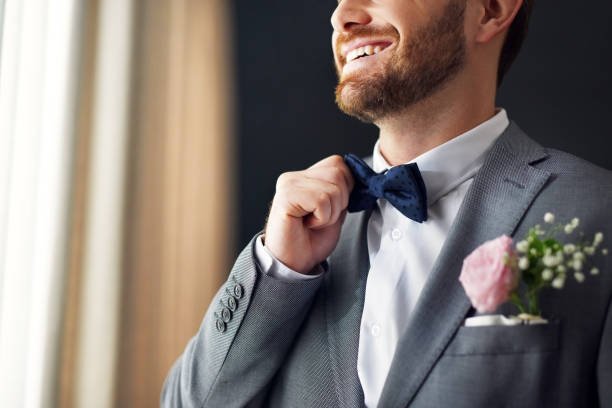
For those seeking a blend of fabrics, consider options like polyester blends, which can enhance durability and affordability while mimicking the look of natural fibers. When choosing your fabric, also consider the climate of your wedding venue; heavier fabrics can be stifling in warm weather, while lighter materials may fail to provide warmth during cooler months. Ultimately, the right fabric will reflect your personal style while ensuring your comfort as you celebrate one of the most memorable days of your life.
When purchasing a wedding suit, the fit is arguably the most crucial aspect to consider. A well-fitting suit not only enhances your silhouette but also ensures comfort throughout the day’s events. Different styles such as classic fit and slim fit cater to varying body types and personal preferences. Classic fit suits offer a bit more room and a versatile, timeless style, making them suitable for traditional weddings. On the other hand, a slim fit suit presents a modern, tailored aesthetic that often appeals to younger grooms and those who prefer a sharper, more tailored look.
To achieve the perfect fit, it is essential to take accurate measurements. Begin by measuring key areas, including your chest, waist, and inseam, using a fabric measuring tape. It’s advisable to wear a fitted shirt while measuring to ensure accuracy. Additionally, don’t forget to measure your neck and shoulder width, as these metrics will significantly impact how the suit sits on your body. Once you have your measurements, try on various styles to determine which cut best complements your physique.
During fittings, pay close attention to how the suit feels and how it moves with you. Ensure that the jacket’s shoulders align with your own, and that you can comfortably fasten the jacket without strain. The trousers should rest comfortably on your waist without causing discomfort. If the fit isn’t perfect, consider enlisting the expertise of a tailor. A skilled tailor can make necessary adjustments, such as shortening sleeves or altering the waist, to achieve an impeccable fit. Collaborating with a tailor greatly enhances the overall presentation of the suit, ensuring you look your absolute best on your wedding day.
Choosing the appropriate colors and patterns for a wedding suit is a crucial aspect that can significantly enhance the overall aesthetic of the groom’s attire. Several factors should guide this selection process, including skin tone, the wedding color palette, and personal style preferences.
Firstly, the groom’s skin tone plays a vital role in determining which colors will complement his appearance best. For example, individuals with warmer undertones may find that earthy colors like deep reds or warm grays suit them well, while cooler skin tones might look better in shades of navy or charcoal. Selecting a color that enhances the groom’s natural complexion ensures a harmonious and appealing look in photographs and during the ceremony.
Secondly, the wedding’s color palette should influence the suit’s color choice. It is essential to factor in not only the bridesmaids’ dresses and floral arrangements but also the overall theme of the wedding. For instance, a romantic garden wedding may lend itself to lighter shades such as pastel blues or creams, whereas a formal evening event might call for darker colors like black or midnight blue. This synchronization of colors will create a cohesive and polished appearance.
When it comes to patterns, subtle options such as pinstripes or dark check patterns can add an element of sophistication without overshadowing the event’s elegance. Particularly during the spring and summer months, lighter patterns or even floral designs may become increasingly popular, allowing for a modern and playful twist. Ideally, any pattern chosen should align with the wedding’s theme, as well as the groom’s personality, ensuring they feel comfortable and confident.
Incorporating colors and patterns into the overall look of the wedding suit can further be achieved through accessories such as ties, pocket squares, and boutonnières, which can accentuate the chosen scheme and create a tailored appearance. All these considerations together will culminate in a polished and stylish wedding suit that highlights the groom’s individuality while respecting the event’s ambiance.
When it comes to buying a wedding suit, the role of accessories cannot be overstated. Accessories serve not only to enhance the overall appearance of the suit but also to express the groom’s personal style and elegance. Essential accessories include ties, bow ties, cufflinks, and pocket squares, each playing a vital role in completing the wedding day look.
Starting with neckwear, the choice between a tie and a bow tie should reflect the formality of the wedding and the groom’s style. A classic silk tie often complements a traditional suit particularly well, while a bow tie can offer a whimsical touch for more informal or themed weddings. When selecting the color and pattern, it is essential to consider the suit’s color and the wedding’s color scheme. For instance, a light gray suit pairs beautifully with pastel shades or vibrant hues, adding a dash of personality without overwhelming the attire.
Cufflinks are another subtle yet significant accessory. They can range from simple silver designs to more elaborate and personalized pieces that might feature initials or symbols meaningful to the couple. Cufflinks not only provide a polished finish but also give the groom an opportunity to showcase his individuality. When selecting cufflinks, ensure they align with the suit’s style—elegant for a formal black-tie event, or quirky for a more relaxed setting.
Pocket squares can serve as an eye-catching accent that unifies the outfit. Choosing a pocket square that complements the tie, or even a contrasting color to create a dynamic look, can elevate the suit substantially. The way it is folded can also add an element of style, with options ranging from the casual puff to the more structured square fold.
Finally, it’s vital to consider the groomsmen’s attire. Ensuring that their accessories harmonize with the groom’s gear fosters a cohesive look for the wedding party. Using similar colors or patterns across both the groom’s and groomsmen’s accessories can beautifully tie the ensemble together, creating a well-coordinated theme for the celebration.
When embarking on the journey of purchasing a wedding suit, establishing a budget is a crucial first step. Your budget will not only guide your choices but also help manage the financial aspects of your wedding. To set a realistic budget, consider the overall wedding expenses and determine how much you can allocate to your attire specifically.
Wedding suits can vary significantly in price, depending largely on the designer, fabric, and customization options. On a conservative budget, you might find decent options in the range of $300 to $600. In this category, you can expect to find ready-to-wear suits made from synthetic fabrics, which provide good value for money. Brands catering to this price range often prioritize affordability while ensuring that the suits are presentable and comfortable.
For those whose budgets allow for more flexibility, a mid-range suit generally falls between $600 and $1,200. Here, quality significantly improves, with options made from higher-grade materials such as wool or a wool-blend. Customization becomes more affordable at this level, allowing you to tailor the suit for a more personalized fit, which is essential for a look that exudes elegance on your special day.
At the higher end, spending $1,200 and above opens up offerings from high-end designers. These suits often feature superior craftsmanship, luxurious fabrics, and a significant selection of personalization choices. With this range, customers can expect meticulous attention to detail and the option to include bespoke elements tailored to individual preferences.
When determining your budget, it is wise to explore multiple retailers, both online and in-store, to compare the quality and pricing. Look for sales, discounts, or rental options, which can yield excellent suits at a fraction of typical retail prices. Ultimately, setting a budget for your wedding suit enables you to make informed choices that align with both your style and financial capacity.
Selecting the right time frame for purchasing a wedding suit is integral to ensuring that you achieve the desired look while also managing costs effectively. Ideally, grooms should start shopping for their wedding suit at least three to four months prior to the wedding day. This timeline allows ample opportunity for fittings, alterations, and final adjustments, which often take several weeks.
When considering alterations, keep in mind that most professional tailors require a few weeks to make necessary changes, especially on customized or bespoke suits. Starting the shopping process early provides flexibility in your schedule to accommodate any unforeseen alterations while ensuring that they are completed in a timely manner.
Renting a wedding suit has emerged as a popular alternative to purchasing one, especially for those looking to save on costs. When renting, consider that rental availability can become limited as wedding seasons peak. Booking your rental suit as far in advance as possible will provide you better options in fit and style, ensuring a more flattering appearance on the big day.
Another factor to consider is the potential for price fluctuations. Purchasing early might allow you to catch sales or discounts that aren’t available closer to the wedding date. Conversely, last-minute buyers might face limited options and higher prices, highlighting the significance of timing.
Ultimately, whether you choose to rent or buy, planning ahead enables you to make thoughtful selections that align with your vision for your wedding day, thus enhancing your overall experience leading up to the event.
When selecting a wedding suit, it is crucial for the groom to reflect on his personal style and preferences. The wedding day is one of the most memorable moments in a person’s life, and feeling comfortable and authentic in one’s attire greatly contributes to overall confidence. To begin this process, the groom should consider his everyday wardrobe as a significant starting point. What styles does he gravitate towards? Is he more drawn to classic tailoring, or does he prefer modern, fashion-forward silhouettes? These personal preferences will significantly influence the final choice of the wedding suit.
Another useful approach is to explore the groom’s favorite colors and patterns. For instance, while traditional black or navy suits are always a solid option, perhaps lighter shades or even unique textures like tweed might resonate more with his natural taste. Accessorizing can also play a substantial role in personalizing the wedding outfit. Ties, pocket squares, and cufflinks serve as excellent opportunities for the groom to express himself and incorporate bespoke elements that enhance the overall aesthetic.
Furthermore, comfort cannot be overstated. An ideal wedding suit should not only align with the groom’s style but also ensure ease of movement throughout the day. During fittings, it is essential for the groom to try on various options, paying close attention to how the fabric feels against the skin and how the suit fits his body type. A trusted tailor can provide valuable advice on adjustments that can make the suit more personalized and comfortable. Ultimately, embracing a style that reflects the groom’s personality will not only result in a visually appealing look but also instill a sense of confidence that will shine on the big day.
When preparing for the big day, the final touches to your wedding suit are crucial to ensure it looks impeccable. First, consider any last-minute adjustments. It’s common that after trying on the suit multiple times, you may need to tweak certain aspects, such as the fit or length of the sleeves and trousers. Consult your tailor a week before the wedding for any necessary adjustments that will help the suit hang properly on your frame.
Caring for your wedding suit is just as important as acquiring it. Before the event, ensure it is cleaned professionally. You want to avoid any stains or wrinkles, so hang the suit on a high-quality hanger in a breathable garment bag until the wedding day. Avoid storing your suit in a confined space, as this may lead to creases or deterioration of the fabric. For suits made of delicate materials, such as silk or wool, check for specific care instructions to preserve their quality.
On the day of the wedding, perform a final inspection of your suit. Be sure to check for loose threads, buttons, and the overall neatness. A lint roller can be a handy tool to quickly eliminate any unwanted fuzz or hair, making your suit look sharp. If you’re particularly concerned about wrinkles, consider steaming the suit just before wearing it. Finally, be mindful of your movements throughout the day to avoid any potential damages to the fabric.
After the wedding, proper care continues to ensure longevity. Have the suit dry cleaned soon after the event to remove any perspiration or food stains. Store the suit correctly by using a suitable hanger and placing it in a cool, dry place. This will help maintain its shape and quality for future wear, as you may find opportunities to wear it again for special occasions.



© 2026 Lifetimefitnessjourney





Discussion about this post