




No products in the cart.


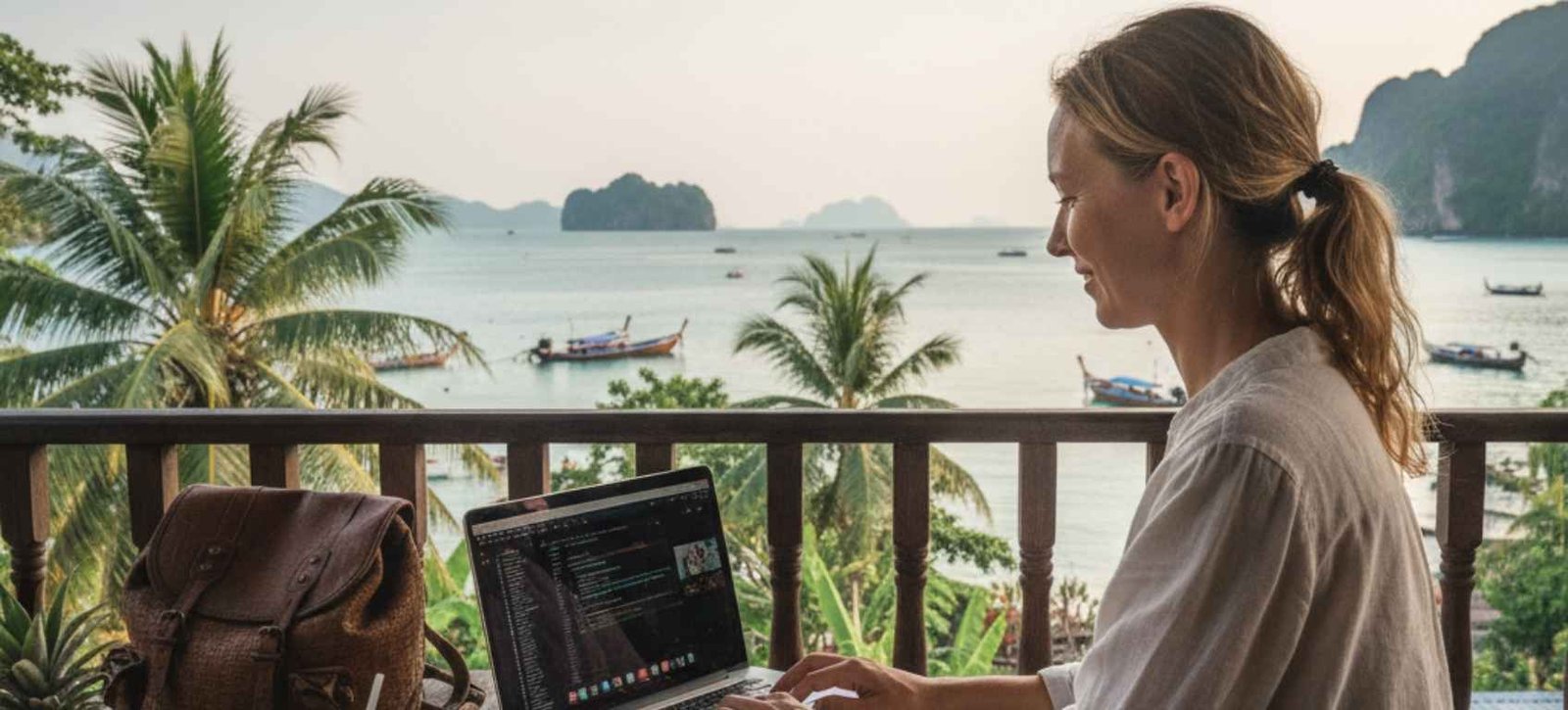
Digital nomadism represents a revolutionary shift in the way individuals approach work and lifestyle. In recent years, the rise of remote work has coincided with advances in technology, allowing professionals to untether themselves from traditional office environments. As a result, an increasing number of people are opting to travel while maintaining their careers, adopting a lifestyle characterized by mobility and flexibility.
This lifestyle, often referred to as digital nomadism, enables individuals to explore new destinations while working remotely, from bustling cities to serene landscapes. Digital nomads leverage digital technologies—such as laptops and the internet—to stay connected to their work, making it possible to adapt to various environments and time zones. The allure of working from anywhere has led to a significant shift in how work-life balance is perceived, with many seeking to combine their professional responsibilities with personal adventures.
While there are numerous benefits associated with this lifestyle, including the opportunity for cultural immersion or the potential for increased productivity outside the confines of a traditional office, digital nomadism is not without its challenges. Individuals must navigate issues such as visa regulations, reliable internet access, and the impact of constant travel on personal relationships. Moreover, maintaining a healthy work-life balance can be complex when the line between work and leisure blurs in foreign environments.
In light of these factors, understanding the dynamics of digital nomadism is crucial for people considering this lifestyle. As more professionals embrace the idea of working while traveling, it prompts a reevaluation of conventional work structures and opens discussions about the future of work in a rapidly changing world.
When it comes to selecting the best cities for digital nomads, several critical criteria should be taken into account. First and foremost, internet connectivity is paramount for remote workers. High-speed, reliable internet access allows digital nomads to maintain productivity, attend virtual meetings, and communicate effectively with both clients and team members.
Another vital factor is the cost of living. Cities that offer a low or moderate cost of living enable digital nomads to allocate their budgets more effectively. This criterion encompasses not only accommodation expenses but also day-to-day living costs such as food, transportation, and leisure activities, which are crucial for a balanced lifestyle.
A further consideration is the availability of coworking spaces. These spaces provide professionals with dedicated work environments that foster collaboration and networking opportunities. A thriving coworking scene can significantly enhance the experience of digital nomads, allowing them to meet like-minded individuals and exchange ideas.
Additionally, the city’s cultural attractions should also be evaluated. A vibrant cultural landscape enriches the nomadic experience, offering opportunities for personal development and leisure outside of work. Arts, history, festivals, and culinary experiences contribute to a well-rounded lifestyle for remote workers.
Moreover, safety is undeniably a top priority for digital nomads. A city with a low crime rate fosters a sense of security and peace of mind, enabling individuals to focus on their work and enjoy their surroundings without unnecessary concerns.
Lastly, the overall community for remote workers plays a critical role in determining a city’s attractiveness. Cities with a supportive network of digital nomads can significantly enhance the quality of life, providing a sense of camaraderie and belonging while navigating the challenges of a location-independent lifestyle.
As remote work continues to gain traction, several cities around the globe have become increasingly appealing to digital nomads in 2026. These locations offer a blend of essential amenities, vibrant culture, and cost-effective living arrangements that cater to the diverse needs of those who work remotely.
First on the list is Bali, Indonesia, a perennial favorite for many digital nomads. Known for its breathtaking beaches and lush landscapes, Bali offers not only a serene environment conducive to productivity but also a wide range of co-working spaces and networking opportunities. The low cost of living, combined with a rich cultural experience, makes it an attractive destination for remote workers.
Next is Lisbon, Portugal, which has recently gained momentum as a tech hub in Europe. The city’s warm weather, historical architecture, and thriving community of entrepreneurs make it an ideal place for digital nomads. Furthermore, Lisbon’s affordability compared to other Western European capitals, along with excellent connectivity, enhances its appeal.
Another noteworthy city is Mexico City, Mexico. This bustling urban center offers a vibrant culture, a rich culinary scene, and a lower cost of living compared to many North American cities. The presence of numerous co-working spaces and a growing expat community contributes to the friendly environment for remote work.
In Asia, Chiang Mai, Thailand, remains a top choice for many. Renowned for its affordable lifestyle, Chiang Mai offers an array of cafes and co-working options, making it easy for digital nomads to find work-friendly spaces. The city’s relaxed atmosphere and welcoming expat community further enhance its appeal to remote workers.
Lastly, Berlin, Germany, stands out for its dynamic culture and creative scene. As one of Europe’s most innovative cities, Berlin offers numerous co-working spaces and a strong support network for digital entrepreneurs. Its rich history, nightlife, and varied activities make it a stimulating environment for those seeking inspiration.
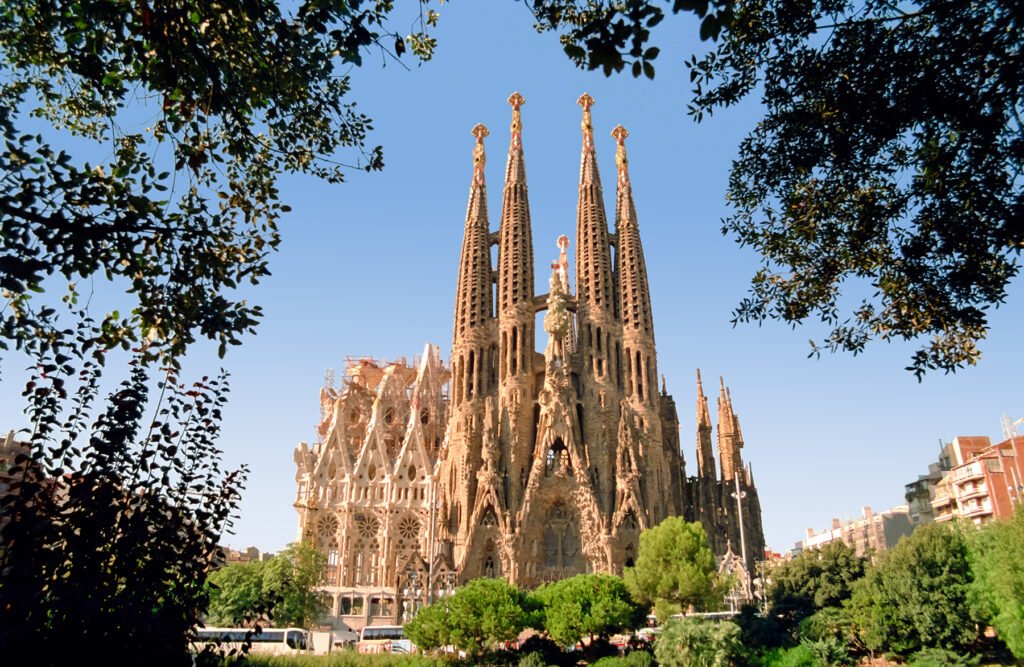
Barcelona stands out as one of the foremost city choices for digital nomads seeking a blend of vibrant culture and efficient remote working conditions. The dynamic atmosphere of this city, influenced by its rich history and artistic legacy, offers a unique appeal that attracts professionals from around the globe.
The coworking spaces in Barcelona are abundant and cater to diverse preferences. From trendy, community-focused hubs to quiet, focused environments, nomads can easily find a workspace that suits their personal style. Notable coworking spots like Betahaus and Cloudworks not only provide essential amenities but also foster networking opportunities that can lead to professional growth. The accessibility and quality of these spaces significantly enhance productivity while offering a sense of belonging in a new city.
Barcelona’s lifestyle benefits are equally attractive. The city’s Mediterranean climate allows for year-round outdoor activities, including beach yoga, cycling, and leisurely strolls along its iconic promenades. Access to local markets, art galleries, and numerous cultural events further enriches the experience of living and working here. Moreover, the culinary scene offers a plethora of options, from traditional tapas to contemporary cuisine, making dining out a delightful experience.
When considering cost of living, Barcelona remains relatively affordable compared to other major European cities like London or Paris. While the prices can vary depending on the neighborhood, overall, digital nomads find comfortable accommodations and a wide array of local amenities without straining their budgets. Additionally, public transportation is efficient and cost-effective, simplifying the daily commute for remote workers.
In essence, Barcelona’s compelling combination of culture, ample coworking options, and a high quality of life make it a prime destination for digital nomads in 2026.

Bali, Indonesia, has emerged as a premier destination for digital nomads, thanks to its breathtaking landscapes, vibrant culture, and robust infrastructure aimed at supporting remote workers. Nestled in the Indonesian archipelago, Bali offers a unique mix of stunning beaches, lush rice paddies, and welcoming communities, making it a perfect backdrop for both work and leisure.
One of the main attractions for digital nomads is the affordable cost of living. In Bali, accommodations are available at various price points, allowing individuals to choose from budget-friendly guesthouses to luxury villas. Furthermore, daily expenses such as food and transportation remain relatively low, which is particularly appealing for remote workers seeking to maximize their savings while traveling.
Bali boasts an increasingly popular network of coworking spaces that cater specifically to remote professionals. These hubs not only offer reliable Wi-Fi and meeting facilities but also foster networking opportunities and social interactions among like-minded individuals. Places like Ubud and Canggu are particularly known for their bustling coworking scenes, with numerous cafes and communal areas that provide spaces for collaboration and creativity.
However, working remotely in Bali does come with unique challenges. The island is a heavily tourist-oriented destination, which can lead to distractions and fluctuations in internet connectivity. It is crucial for digital nomads to choose their working hours wisely and seek out quieter times to focus on their tasks. Moreover, establishing a balance between remote work and the exploration of Bali’s rich cultural landscape is essential for a fulfilling experience.
Incorporating work-life balance is vital, as it enhances both productivity and personal satisfaction. In conclusion, Bali continues to be a top choice for digital nomads in 2026, offering a harmonious blend of work opportunities and the allure of a tropical paradise.
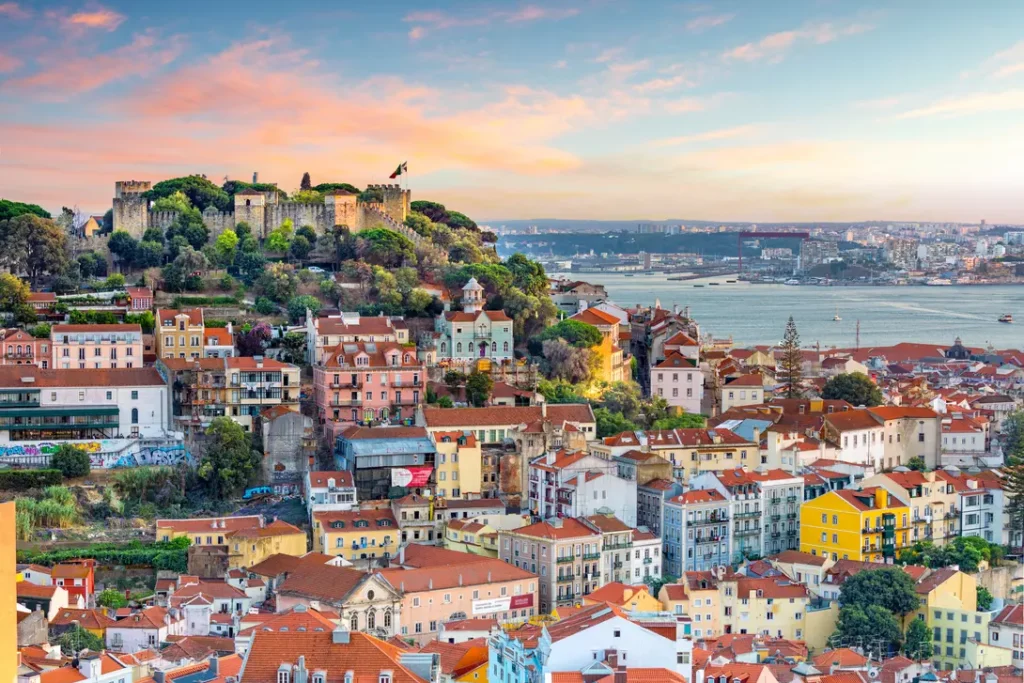
Lizbon, the vibrant capital of Portugal, has steadily emerged as a prime destination for digital nomads seeking a dynamic place to work remotely. The city’s growing tech scene, exemplified by the presence of numerous startups and digital innovation hubs, makes it a fertile ground for those in the technology sector. With events like the Web Summit and various coworking spaces, Lisbon offers a robust environment that fosters creativity and collaboration.
One of the notable advantages of living in Lisbon is its increasingly expat-friendly atmosphere. The local community is welcoming, and English is widely spoken, significantly reducing language barriers for newcomers. This inclusivity allows remote workers to network easily, participate in local meetups, and build a sense of community among like-minded individuals. As the city embraces a cosmopolitan character, digital nomads will feel right at home amidst the diverse array of cultures.
The climate in Lisbon is another enticing factor that attracts remote workers. With over 280 sunny days a year and mild winters, the city provides an ideal backdrop for outdoor activities. Digital nomads can enjoy opportunities for surfing, hiking, and exploring picturesque neighborhoods while taking breaks from their work routines. This engaging lifestyle is complemented by the city’s rich history and culture, visible in its architecture, cuisine, and lively music scene.
While the cost of living in Lisbon is relatively affordable compared to other European capitals, it is worth noting that prices have increased in recent years due to rising demand. However, remote workers can find reasonably priced accommodations and dining options, particularly in less touristy neighborhoods. These practical considerations, combined with the remarkable quality of life, clearly establish Lisbon as a destination that enriches the remote work experience for digital nomads.
Mexico City, the capital of Mexico, has emerged as a top choice for digital nomads in 2026, thanks to its captivating blend of historical and modern attractions. The city offers a bustling atmosphere characterized by vibrant street life, artistic neighborhoods, and rich cultural heritage. With a population exceeding 9 million, it is one of the largest cities globally, providing an endless array of experiences suitable for both work and leisure.
The cost of living in Mexico City is relatively low compared to other major urban centers. Affordable housing options can be found in various neighborhoods, such as Roma, Condesa, and Polanco, making it an attractive destination for remote workers who seek both comfort and convenience. Dining out, transportation, and entertainment are also reasonably priced, allowing digital nomads to enjoy a high quality of life without straining their budgets.
In addition to its affordability, Mexico City boasts a thriving community of digital nomads. Numerous coworking spaces, such as WeWork, Impact Hub, and Spaces, have established locations throughout the city. These environments foster collaboration and networking among freelancers and remote workers, providing the perfect backdrop for productivity. Moreover, several local coffee shops have embraced the remote work culture, offering fast Wi-Fi and comfortable seating, which are essential for those looking to work outside of traditional offices.
Community engagement is a significant aspect of life in Mexico City. Events, workshops, and meetups attract like-minded individuals eager to share ideas and foster connections. The lively arts scene, coupled with a variety of culinary experiences, ensures that digital nomads can immerse themselves in the local culture while pursuing their professional goals. This unique combination of factors makes Mexico City an appealing destination for digital nomads in 2026, blending work and leisure seamlessly.
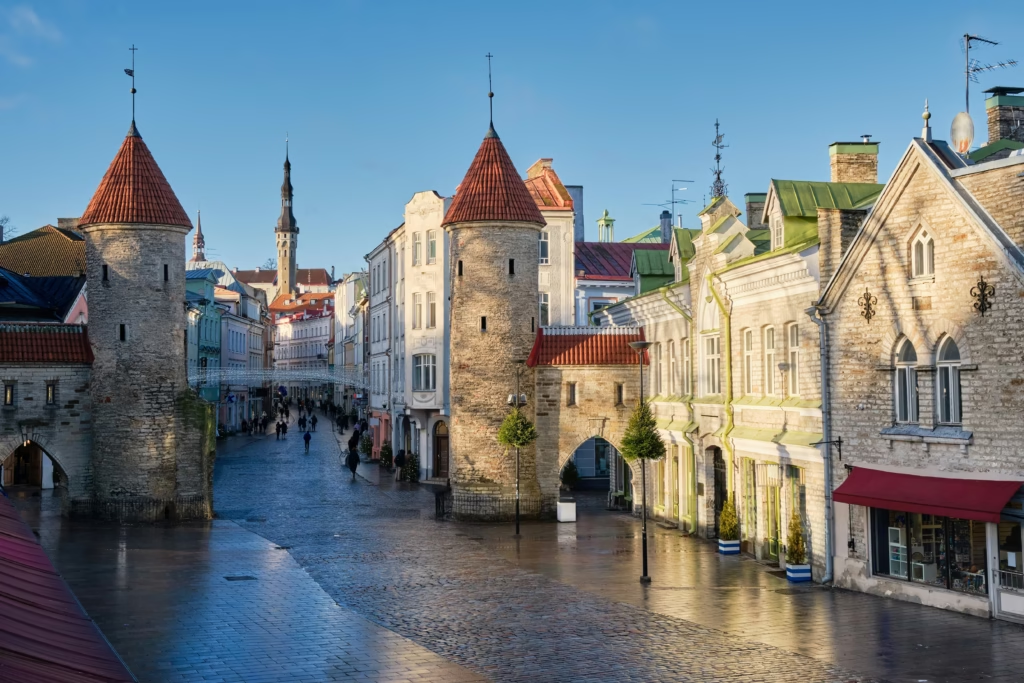
Tallinn, the capital of Estonia, has rapidly emerged as a leading city for digital nomads, particularly due to its advanced digital infrastructure. As a pioneer in digital governance, Estonia allows residents to access a wide range of e-services, making everyday tasks seamless and efficient. This innovative approach not only enhances quality of life but also enables remote workers to focus on their projects without the typical bureaucratic hurdles found in other countries.
One of the key attractions for digital nomads is Estonia’s unique e-residency program. This initiative allows non-Estonians to establish and manage an EU-based business online, thus facilitating an entrepreneurial spirit that appeals to many remote workers. By leveraging the e-residency program, digital nomads can easily register their businesses, open bank accounts, and access various services, all while enjoying the benefits of Estonia’s digital framework.
Beyond its technical advantages, Tallinn boasts a vibrant culture and a robust community. The Old Town of Tallinn, a UNESCO World Heritage site, is a blend of medieval architecture and modern innovations, offering numerous cafes and co-working spaces where remote workers can mingle and collaborate. The city’s commitment to innovation and technology fosters a creative atmosphere, and networking opportunities abound at various meetups and tech events throughout the year.
The local government also invests heavily in upgrading services and amenities, ensuring that digital nomads have access to reliable internet, effective public transportation, and various leisure activities. The combination of efficient services with a cultural twist makes Tallinn not only a practical choice for digital nomads but also an attractive destination for individuals looking to balance work and leisure.
As we look towards the future of digital nomadism, it is vital to summarize the key findings and insights about the evolving landscape of remote work and the cities that are becoming popular among digital nomads. The rise of flexible work arrangements, fueled by advancements in technology and shifting employee expectations, has redefined how professionals engage with the world. Cities that once thrived solely on tourism or local job markets are now adapting to accommodate the needs of this mobile workforce.
Emerging trends suggest a growing concentration of digital nomad communities in cities that not only offer strong internet connectivity but also a rich cultural experience and affordable living costs. Locations such as Lisbon, Bali, and Mexico City have set the groundwork, and as we approach 2026, it is expected that new contenders will emerge, particularly in regions that have previously been overlooked. Places in Southeast Asia, Eastern Europe, and Central America may become more attractive due to their untapped resources and lower costs of living.
Furthermore, we can anticipate changes in how cities cater to remote workers. With an increase in demand for co-working spaces, local governments may invest in infrastructure to attract and retain this demographic. Initiatives that focus on community networking, local integration, and support for startups are likely to play a vital role in establishing a welcoming environment for digital nomads. Predictively, cities that prioritize sustainability and connectivity will dominate the nomadic landscape beyond 2026.
In conclusion, the future of digital nomadism appears promising, with cities globally preparing to adapt and innovate to cater to this growing workforce. By understanding these trends, aspiring digital nomads can better position themselves to choose the optimal locations that align with their professional and personal aspirations.



© 2026 Lifetimefitnessjourney






Discussion about this post